Basement Waterproofing Tips for Spring Storm Season
Spring has a way of exposing every weak point around a house. The snowmelt starts moving, the ground loosens, storms roll through with little warning, and suddenly a basement that stayed mostly dry all winter develops a damp wall, a musty smell, or a small puddle near the floor drain. By the time a homeowner notices actual standing water, the conditions that caused it have usually been building for weeks.
That is why spring is such an important season for basement waterproofing. Water pressure around the foundation tends to increase just when gutters are clogged with leftover debris, soil grading has shifted from freeze-thaw cycles, and sump pumps have not been tested since the previous year. A basement rarely leaks for just one reason. More often, several modest problems line up at once, and the first heavy storm reveals the whole chain.
The good news is that most spring basement water problems are predictable. Even better, a large share of them can be reduced or prevented with practical maintenance and timely upgrades. The key is to understand where the water is coming from, how it is entering, and which fixes address causes rather than symptoms.
Why spring storms are so hard on basements
A basement sits below grade, which means it is surrounded by soil that can hold and move a surprising amount of water. During a dry stretch, that may not matter much. During spring, it matters a great deal.
When the soil around your home becomes saturated, the water in that soil pushes against the foundation walls and footings. Professionals call that hydrostatic pressure. You do not need a dramatic flood event for hydrostatic pressure to create problems. Several days of rain, a rapid snowmelt, or a yard that drains poorly can be enough. Water looks for the path of least resistance, and in many homes that path is a crack in the foundation, a porous concrete wall, a gap where a utility line passes through, or the seam where the wall meets the floor slab.
Some basements also struggle with a different issue that gets mistaken for leaks. As the outdoor air warms up in spring, humid air enters the cooler basement and condenses on cold surfaces. Homeowners see dampness on walls or floors and assume groundwater is coming in, when in fact the moisture is coming from indoor air meeting cool masonry. That distinction matters because the fixes are different. A leak needs drainage and waterproofing corrections. Condensation needs moisture control, air sealing, and often dehumidification.
I have seen basements where both things were happening at once. A homeowner was convinced a single wall crack was the entire issue because that crack was visible. After a closer look, the larger problem turned out to be three overflowing downspouts, one low spot beside the foundation, and a basement humidity level above 65 percent. Sealing the crack helped, but it did not solve the real problem until the exterior drainage and interior moisture control were addressed too.
Start outside, because most basement water problems start there
If there is one principle that consistently saves money in basement waterproofing, it is this: keep as much water as possible away from the foundation before it ever reaches the walls.
That means the first inspection should happen outdoors. Walk the perimeter during or just after a spring rain if you can do so safely. Those walks reveal more than any dry-weather inspection. You will see where downspouts dump water, where puddles collect, whether the soil slopes toward the house, and whether window wells are filling like little buckets.
Gutters and downspouts are the usual suspects for a reason. A typical roof sheds a huge amount of water during a moderate storm. If that water is spilling over clogged gutters or discharging right at the base of the house, it is being directed exactly where you do not want it. Extending downspouts well away from the foundation often makes a noticeable difference, especially on smaller lots where original builders left only short splash blocks.
Grading is just as important, and it changes over time. Soil settles. Mulch gets built up in planting beds. Hardscaping shifts. What once sloped away from the house may now slope toward it. Even a subtle reverse grade can send water against the foundation in every storm. This is common near front stoops, garage corners, and along side yards where foot traffic has compacted the ground.
Spring is also when window wells deserve close attention. If a basement window sits below grade and the well fills with leaves or sediment, rainwater can pool high enough to seep around the frame. A clear drain in the bottom of the well is helpful, but only if it actually drains. I have seen window well drains completely blocked with roots and compacted debris while the homeowner assumed they were functioning fine.
The signs that tell you water is already winning
Not every basement water issue announces itself with a puddle. In many homes, the early warning signs are quieter and easier to dismiss. That is a mistake, because small moisture problems often become structural or air quality problems if ignored through multiple seasons.
Here are some of the signs worth taking seriously:
- A persistent musty odor, especially after rain
- White chalky residue on concrete or masonry, often called efflorescence
- Peeling paint, bubbling wall finishes, or staining near the floor
- Rust on metal items stored low to the ground or corrosion on furnace components
- Hairline cracks that appear damp, darker than surrounding concrete, or slightly wider than before
Efflorescence deserves a special mention because many people treat it as merely cosmetic. It is a mineral deposit left behind when water moves through masonry and evaporates. The deposit itself is not the problem. It is evidence of repeated moisture migration. If you clean the wall without addressing the water source, the white residue usually comes back.
Odor is another useful clue. A basement that smells earthy only after storms points to intermittent moisture intrusion. A basement that smells stale year-round may have chronic humidity issues, poor ventilation, or hidden mold growth behind finished surfaces. The difference helps guide the next steps.
Cracks matter, but they do not all mean the same thing
Almost every poured concrete foundation develops some cracking over time. The question is not whether a crack exists. The question is what kind of crack it is, whether it is active, and whether water is using it as an entry point.
Vertical cracks are common and often related to shrinkage as concrete cures. Some remain stable for years. If a vertical crack leaks during spring storms, it should be repaired, but it may not be a sign of serious structural movement. Diagonal or stair-step cracks in block or masonry walls can indicate settlement or movement and deserve more careful evaluation. Horizontal cracking is the one that tends to raise the greatest concern because it can signal pressure against the wall from outside soil.
This is where judgment matters. A homeowner can reasonably monitor a thin, dry, unchanged crack. A crack that widens, leaks repeatedly, displaces one side of the wall relative to the other, or appears alongside bowing walls should be assessed by a qualified professional. Basement waterproofing and structural repair overlap sometimes, but they are not the same thing. Treating a structural problem as if it were just a sealing problem is an expensive mistake.
There is also a common misconception that simply coating over a leaking crack from the inside solves the issue. In practice, surface coatings rarely hold up if active water pressure remains outside the wall. Some crack repair methods are effective, particularly certain professional injection techniques, but even a good repair works best when paired with better exterior drainage and pressure relief.
The sump pump is your spring insurance policy, if it actually works
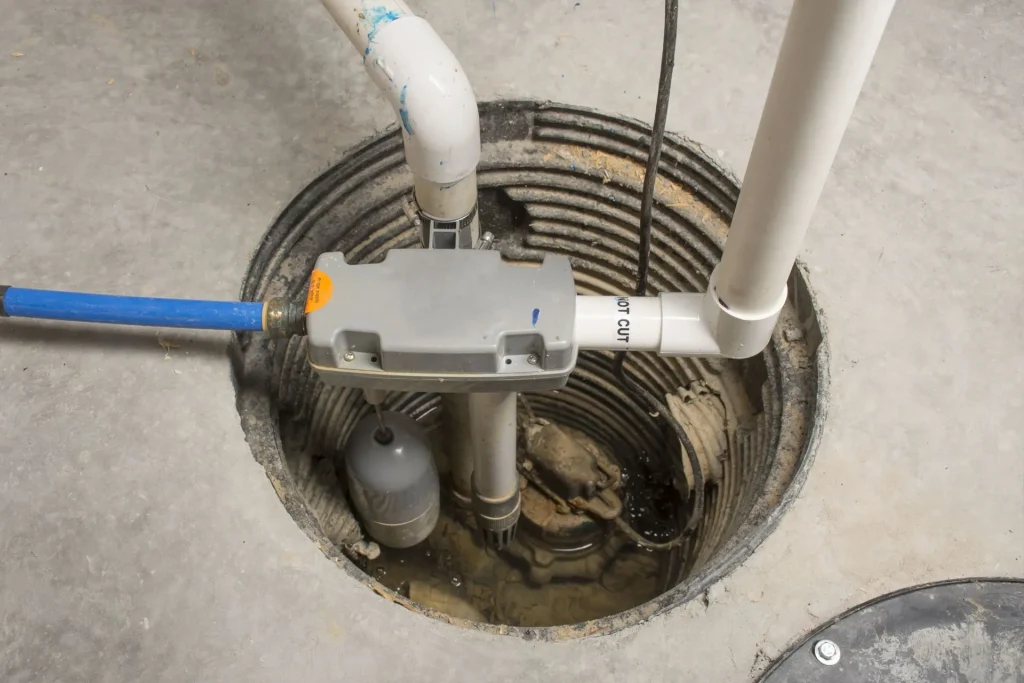
A sump pump often gets noticed only when it fails, and spring is when failures become painfully obvious. If your basement has a sump system, test it before the stormiest part of the season. Do not assume that because it worked last year it will work now.
Pour water into the pit until the float rises and the pump activates. Listen for anything unusual. Make sure the discharge line carries water outside and away from the house. Confirm that the exterior end is not crushed, blocked, or frozen in early spring cold snaps. A pump that cycles but discharges right back beside the foundation is doing only half the job.
Battery backup systems earn their keep in spring because strong storms often coincide with power outages. I have seen finished basements suffer major damage during outages that lasted only a few hours because the primary pump stopped at the exact wrong time. For homes with a history of water intrusion, a backup pump is not a luxury. It is cheap protection compared with replacing drywall, flooring, insulation, and stored belongings.
Age matters too. Many sump pumps do not fail dramatically. They simply lose reliability as switches wear out or motors weaken. If yours is approaching the later years of its service life, replacing it proactively is often wiser than waiting for a storm to force the decision.
Interior coatings have a place, but they are not the whole strategy
Waterproofing paints and masonry sealers are widely marketed because they are accessible and relatively inexpensive. They can help in certain situations, especially on porous surfaces with minor dampness. What they cannot do is overcome poor drainage, hydrostatic pressure, or active structural cracking on their own.
Think of interior coatings as supporting players. They may reduce vapor transmission through foundation walls. They may improve the performance of a storage basement that has mild seasonal dampness. They may buy time while larger drainage corrections are planned. What they should not be is the sole response to recurrent spring leaks.
The same goes for caulk and patch compounds. They have appropriate uses around penetrations and small gaps, but they are not substitutes for a real basement waterproofing plan. If water is repeatedly entering at the wall-floor joint, for example, the underlying issue is often pressure beneath or beside the slab. Covering that seam may hide the symptom briefly, but water tends to find another route.
Drainage systems work best when matched to the actual problem
There is no single basement waterproofing method that fits every house. The right system depends on how water behaves on your property.
Some homes benefit most from exterior improvements. Better grading, longer downspout extensions, and repaired gutters may reduce the water load enough that interior leakage stops. Other homes need an exterior foundation membrane and drainage board, especially where excavation is feasible and the outside wall is the main problem area.
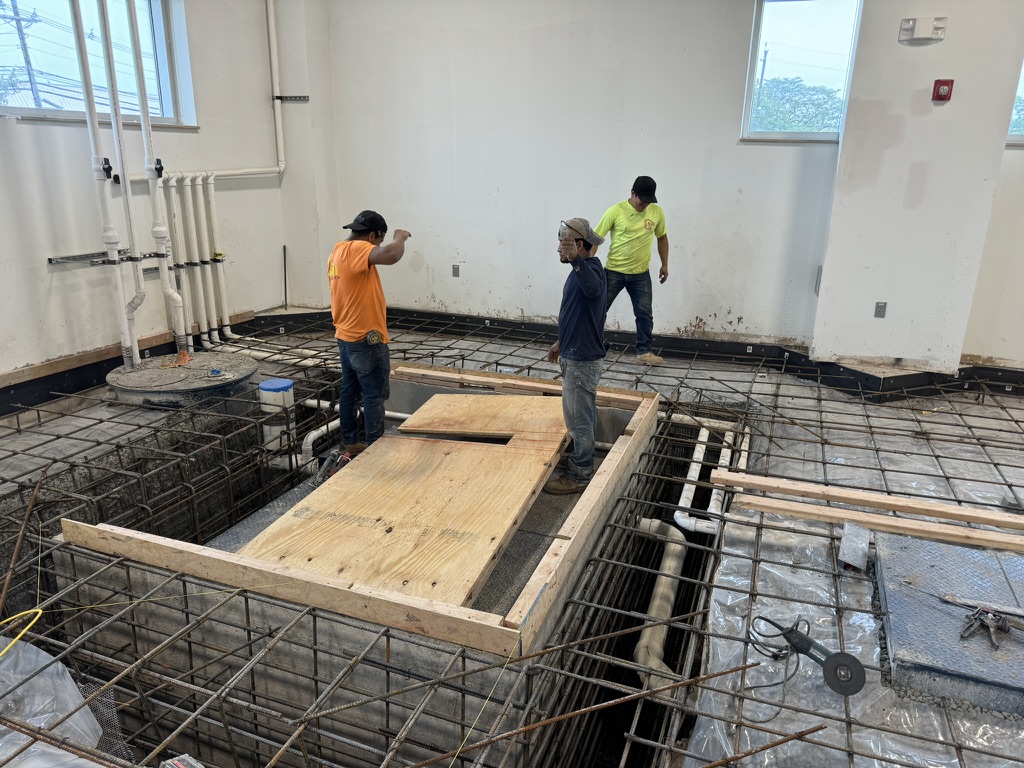
In houses with persistent subsurface water pressure, an interior drainage system can be very effective. These systems typically collect water at the perimeter and direct it into a sump pit for removal. People sometimes worry that interior drainage is admitting defeat because it manages water after it reaches the foundation. In reality, it is often the most practical and reliable option in developed neighborhoods where full exterior excavation is difficult, https://privatebin.net/?6c6b17732b1b9816#8dpMgRW4XV5vq3mNjDnedfuzDEzq4cEvgyHAMtKg9662 disruptive, or prohibitively expensive.
The trade-off is that interior systems manage water rather than keeping every drop out of the surrounding wall assembly. That can be perfectly acceptable when installed correctly, but it is worth understanding. If a basement is finished, material choices become important. Moisture-tolerant finishes, raised storage, and proper air circulation can limit damage even if the drainage system is doing its job behind the scenes.
Humidity control is part of waterproofing, whether people call it that or not
A dry basement is not just one without visible leaks. It is one where moisture levels stay controlled enough to discourage mold, odors, and material damage. Spring humidity can push basements into trouble even after leak repairs have been made.
A dehumidifier is often one of the best practical investments for basements in humid climates. The goal is usually to keep relative humidity below about 50 to 60 percent, depending on conditions and materials in the space. If the unit runs constantly and struggles to keep up, that is useful information. It may suggest hidden water entry, poor air sealing, or an undersized machine.
Insulating cold water pipes helps prevent condensation. Sealing rim joists and obvious air leaks can reduce humid outdoor air infiltration. Avoid storing cardboard directly on the floor, especially against foundation walls. Those simple changes reduce the chances that a minor moisture issue turns into a mold cleanup project.
Finished basements deserve extra caution here. Soft materials like carpet, paper-faced drywall, and fiberglass insulation do not forgive moisture very well. If you are remodeling or repairing after a leak, choose materials with spring reality in mind rather than showroom optimism.
What homeowners can do before the next major storm
Most spring basement emergencies are easier to prevent than to clean up. A short pre-storm routine catches a surprising number of problems while they are still manageable.
- Clean gutters and make sure downspouts discharge well away from the foundation
- Check the grading around the house and fill obvious low spots where water collects
- Test the sump pump and backup system, and inspect the discharge line outdoors
- Clear window wells and verify that drains, if present, are open
- Move stored items off the basement floor and away from walls
That last item gets overlooked, but it matters. Even a minor seepage event can ruin boxes, holiday decorations, tools, and documents if everything is stored directly on the slab. Shelving or raised plastic bins can turn a stressful cleanup into a minor inconvenience.
A homeowner once told me their basement had only “a little water” every spring, so they never changed how they stored anything. One storm delivered less than half an inch of water across the floor, and they lost family photos, tax records, and a chest freezer. The leak itself was modest. The damage was not. Sometimes basement waterproofing is also about reducing vulnerability.
When it makes sense to call a professional
Some water issues are straightforward. A disconnected downspout extension and a clogged gutter can be corrected in an afternoon. Others require diagnosis that goes beyond what is visible.
If water is entering through multiple areas, if walls show movement, if mold is present, if the basement has been finished, or if previous DIY fixes have failed, professional evaluation is usually the sensible next step. The value is not just in the repair itself. It is in identifying the true source of the water. That source is not always where the symptom appears.
A good waterproofing professional should be able to explain the problem in plain terms, describe why a certain system fits your house, and discuss alternatives where they exist. Be wary of one-size-fits-all recommendations delivered before a proper inspection. A sump pump is not the answer to every issue. Neither is excavation. Houses vary, sites vary, and the best solutions reflect that.
It is also reasonable to ask practical questions. What maintenance does the system require? How will discharge water be handled? What happens during a power outage? Will the proposed repair affect finished spaces, landscaping, or exterior access? Those details shape whether a solution remains effective after the crew leaves.
Basement waterproofing is really about pressure, pathways, and priorities
The most useful way to think about basement waterproofing is not as a product but as a process. Water creates pressure. Your house has pathways, some obvious and some hidden. Your job, or your contractor’s job, is to reduce the pressure, block the pathways that can be blocked, and safely manage the water that cannot realistically be kept away.
Spring storm season tests every part of that system at once. Roof drainage, soil grading, foundation condition, sump performance, humidity control, and even storage habits all play a role. That is why quick fixes disappoint so often. They treat one symptom in a house-wide moisture picture.
When the work is done thoughtfully, though, the benefits are immediate and lasting. The basement smells better. Stored items stay clean and dry. Mechanical equipment faces less corrosion. Finished spaces feel more comfortable. The whole lower level becomes more usable because you are no longer waiting nervously for the next hard rain.
A dry basement in spring is rarely an accident. It is usually the result of attention to details that do not look dramatic from the outside: a downspout moved ten feet farther from the wall, a sump pump tested before storm season, a low spot regraded, a crack evaluated correctly, a dehumidifier sized for the space. None of those choices is glamorous. Together, they are what good basement waterproofing looks like in the real world.
ARD Waterproofing
98 Smull Ave, West Caldwell, NJ 07006, United States
+1 917-691-8411
FAQ About Basement Waterproofing
Can you 100% Waterproof a Basement in West Caldwell?
A properly designed system can substantially reduce basement water intrusion, but no method can promise protection against every flood, equipment failure, or future change in site conditions. The first step is identifying whether moisture comes from surface runoff, groundwater, plumbing, or condensation. Solutions may include grading and gutter improvements, drainage, foundation repairs, and a sump system. Review the specific coverage and exclusions of any written warranty.
How much does it cost to professionally waterproof a basement in NJ?
There is no single price that fits every basement. Cost depends on the cause of the leak, the area needing work, access, excavation requirements, drainage design, sump equipment, and restoration of disturbed finishes or landscaping. Request an on-site assessment and an itemized written estimate that explains the scope, exclusions, and maintenance requirements before comparing proposals.
How long does foundation waterproofing last in West Caldwell, NJ?
Service life varies with the waterproofing materials, installation quality, soil and water conditions, and maintenance. Drainage components and pumps may require servicing or replacement even when other parts of the system remain functional. Keep gutters, drainage outlets, and sump equipment maintained, and have recurring leaks or changes in foundation condition assessed. Ask for product-specific expectations and written warranty terms rather than relying on one lifespan for the entire system.